
Table of Contents
- Why Windshield Chips Spread and What Triggers It
- What to Do Immediately After a Rock Hits Your Windshield
- The Windshield Chip Repair Process and How It Stabilizes Damage
- Using a Windshield Chip Repair Kit as a Temporary Measure
- How Long Windshield Chip Repair Takes and When to Schedule Service
- What Not to Do: Common Mistakes That Make Chips Worse
- Protecting Your Windshield From Future Damage
- Frequently Asked Questions
Last Updated: October 18, 2026
Why Windshield Chips Spread and What Triggers It
A windshield chip starts small: a rock hits your glass at highway speed and leaves a tiny mark. Left alone, that mark can grow into a crack.
Glass is under constant stress. Your windshield supports the vehicle's structural integrity and absorbs impacts from road debris.
At ClearPath Mobile Auto, we've seen how quickly chips escalate.
Several factors speed up the process:
- Temperature swings cause glass to expand and contract, putting pressure on the damaged area
- Road vibrations from driving create constant movement that stresses the chip
- Dirt and moisture inside the chip weaken the glass structure
- Direct sunlight heats the glass unevenly, increasing internal stress
- Slamming doors sends shock waves through the windshield
The longer you wait, the harder repair becomes.
What to Do Immediately After a Rock Hits Your Windshield
The first few hours after impact matter most. Your immediate actions can slow or stop the spread of damage. Here's exactly what to do.
Step 1: Stop and Assess the Damage
Pull over safely as soon as you notice the impact. Don't keep driving at highway speed; vibrations make damage worse.
Look closely at the windshield. Note the size and location, near the edge, center, or a corner, to decide whether temporary protection or professional repair is next.
Take a photo of the damage for your records and to send to a technician.
Step 2: Clean and Dry the Damaged Area
Moisture and dirt inside a chip accelerate spreading, so cleaning the area helps any temporary seal work better.
Wipe around the chip with a clean, dry cloth and let it air dry completely if wet. Compressed air can blow out loose particles, but don't force water deeper into the crack, and never use high-pressure water or a pressure washer near the damage.
Step 3: Cover the Chip With a Contamination Barrier
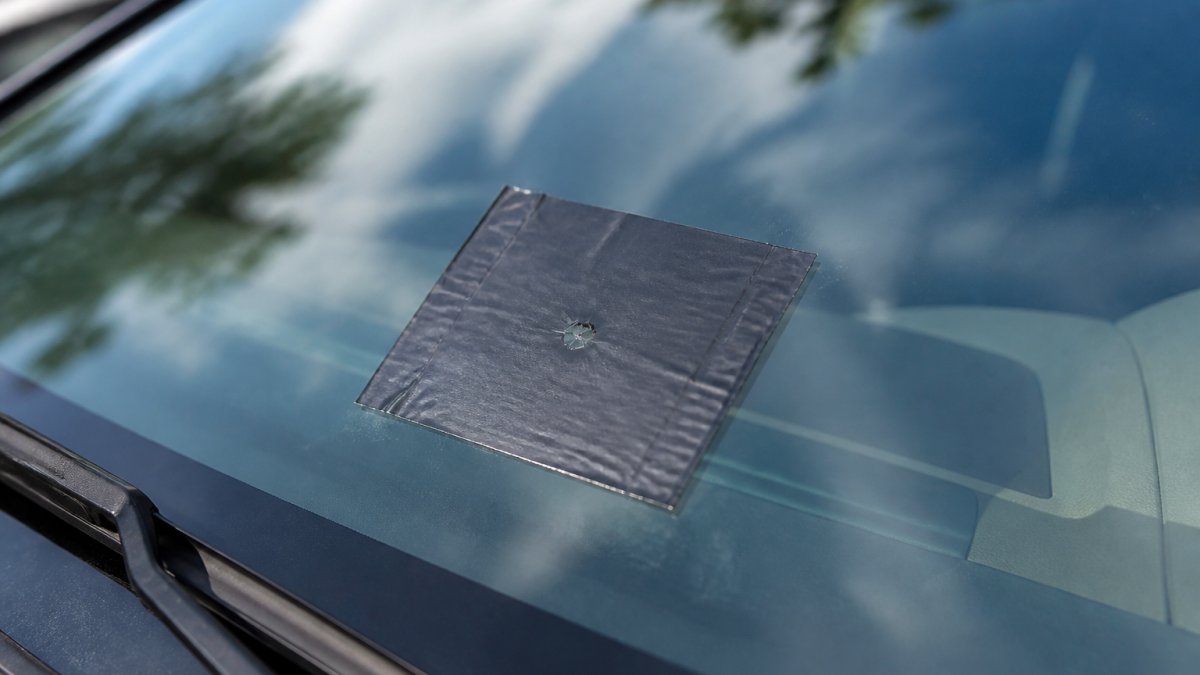
Clear tape or electrical tape creates a temporary seal that keeps dirt and moisture out. It's not a permanent fix, but it slows damage significantly.
Cover the chip completely, press firmly so no edges lift, and extend the tape at least an inch beyond the damage on all sides. Electrical tape sticks longer and resists peeling; if you use clear tape, check it daily and reapply if it lifts.
The Windshield Chip Repair Process and How It Stabilizes Damage
Professional chip repair uses resin to fill and stabilize the damaged area.
The technician cleans the chip thoroughly to remove contamination, creates a small opening if needed, and injects resin under pressure to fill the void and bond the glass.
ClearPath Mobile Auto uses professional repair techniques, and Marc fills and cures the damaged area to help keep it from spreading.
Using a Windshield Chip Repair Kit as a Temporary Measure
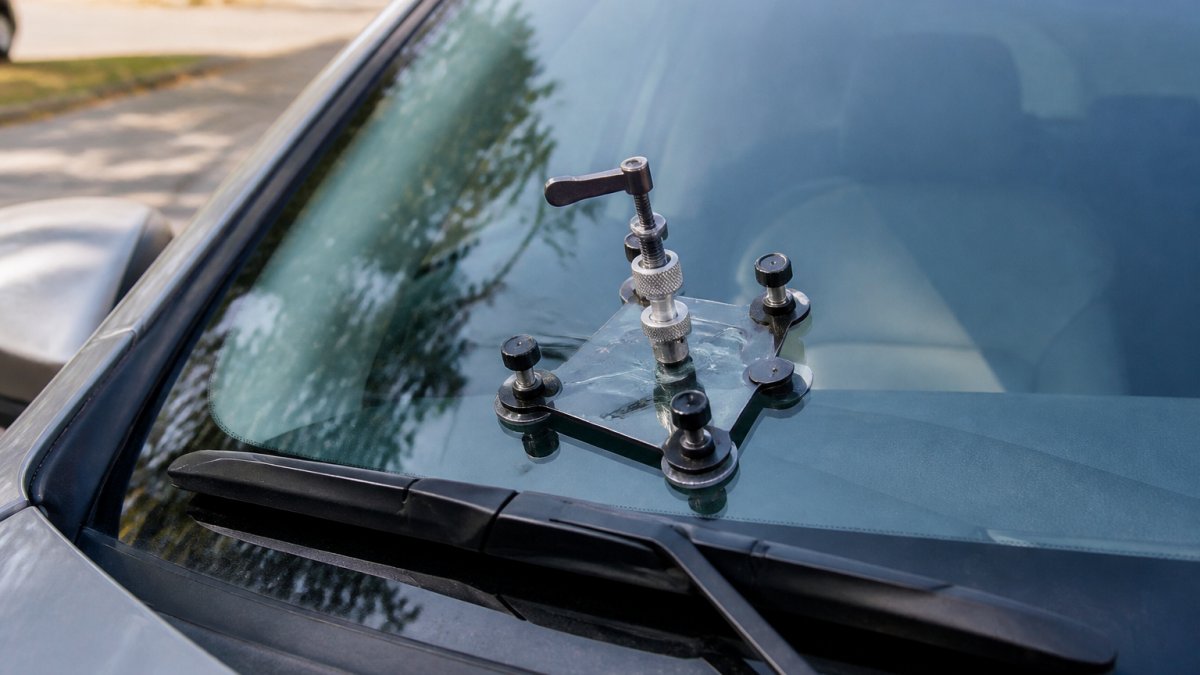
DIY repair kits sold at auto parts stores contain a resin syringe, a bridge or applicator, and curing film. They are inexpensive compared with professional service, but they are not a substitute for a proper repair, and knowing their limits keeps you from making damage worse.
What a Kit Can Realistically Do
A kit works best on a simple, clean, round chip with no edge involvement and no contamination. In that narrow case, the resin can fill part of the void and reduce debris and moisture inside the break.
A kit cannot restore the glass to its original strength, cannot guarantee the damage will not spread, and will not make the chip invisible; a faint mark typically remains.
The Step-by-Step Sequence (and Where It Goes Wrong)
- Clean and dry. Wipe the area with a clean cloth and let it air dry fully. Any moisture trapped under resin weakens the bond.
- Remove loose glass. Use the kit's probe to gently clear loose fragments from the pit, do not gouge or enlarge the break.
- Mount the bridge. Center the applicator over the chip so the resin port sits directly above the damage.
- Inject under pressure. Follow the kit's instructions for the number of pressure cycles; under-filling leaves voids.
- Cure. Apply the curing film and expose it to direct sunlight for the time the kit specifies.
- Scrape flush. Use the provided razor to level the cured resin, keeping the blade flat to avoid scratching surrounding glass.
Common failure points: skipping the drying step, injecting too little resin, curing on a cloudy day, and scraping at an angle. Trapped air bubbles are the most common reason a DIY repair looks cloudy or fails to hold.
When a Kit Is the Wrong Choice
Skip the kit and get professional assessment if any of these apply:
- The damage is at or near the edge of the windshield
- You can catch a fingernail in a crack that is visibly running
- The chip is a star break with long legs, or a combination break
- Dirt, moisture, or old failed resin is already inside the damage
- The damage sits directly in the driver's primary line of sight
In those cases a kit can trap contamination or hide a spreading crack, and the damage may worsen faster than if it had been left alone.
If you are unsure whether a kit is appropriate, text a photo of the damage to (469) 919-2383 for a quick first assessment and quote. ClearPath Mobile Auto serves the North Collin County area and nearby communities, and Marc can tell you whether the damage qualifies for repair or whether a kit is a reasonable stopgap.
How Long Windshield Chip Repair Takes and When to Schedule Service
Professional chip repair is fast. Most repairs take 30 minutes to an hour, depending on the damage.
ClearPath Mobile Auto offers same-day service when available.
Don't wait weeks to schedule repair. The longer you delay, the more likely the chip will spread into a crack.
Call or text as soon as you notice damage. Same-day appointments often fill up, especially on weekends, so book early in the day if possible.
What Not to Do: Common Mistakes That Make Chips Worse
Several habits accelerate damage. Avoid these mistakes:
- Slamming doors sends vibrations through the vehicle and stresses the chip. Close doors gently until the repair is done.
- Pressure washing near the windshield forces water into the chip. Use a gentle stream or hand wash instead.
- Parking in direct sunlight all day heats the glass unevenly. Seek shade or covered parking when possible.
- Extreme temperature changes stress the glass. Don't blast hot air from the defroster on a cold windshield, and avoid parking in freezing conditions if you can.
- Driving on rough roads increases vibrations. Stick to smooth highways when possible until the repair is scheduled.
- Ignoring the damage is the biggest mistake. The longer you wait, the more the chip spreads.
Treat a fresh chip like an injury: protect it, keep it clean, and get professional help soon.
Protecting Your Windshield From Future Damage
Prevention starts with knowing what you are looking at. A chip, a bullseye, a star break, and a running crack each call for a different response, and spotting the type early is the best way to keep small damage from becoming a bigger problem.
Know Your Damage Type
- Pit or chip: a small round divot where glass was knocked out. Often the easiest to stabilize if caught early.
- Bullseye: a circular break with a dark center and a ring around it. Common from a direct rock hit.
- Star break: a center impact with short legs radiating outward. Legs can lengthen under vibration.
- Combination break: a bullseye with a crack running from it. More complex and best assessed in person.
- Running crack: a line that is actively lengthening. Treat this as urgent, avoid slamming doors and sudden temperature swings until it is assessed.
If you are not sure which one you have, take a close-up photo in good light and text it to (469) 919-2383 for a quick first assessment and quote.
A Safety-First Decision Tree
Use this to decide how quickly to act:
- Is the damage in the driver's primary line of sight? If yes, get it assessed promptly, visibility matters more than size.
- Is it at or near the edge, or does it involve the edge? Edge involvement is a common reason damage is not repairable; have it looked at in person.
- Is it a crack rather than a chip? Under ROLAGS standards many cracks up to 14 inches can be repaired, but repairability depends on location, edge involvement, contamination, and condition, and is confirmed in person.
- Is it a small, clean chip away from the edge? A temporary barrier and a prompt appointment are usually reasonable.
- Is it actively spreading? Treat it as urgent and avoid actions that stress the glass.
Habits That Reduce Future Rock-Chip Risk
- Increase following distance. The three-second rule is a good highway baseline; more space means more time to react to debris.
- Slow down on gravel and in construction zones. Lower speed reduces impact force.
- Avoid tailgating trucks and vehicles with aggressive tires. They throw more stones.
- Keep the windshield clean. Dirt hides small chips; regular cleaning lets you catch new damage early.
- Park in shade or covered areas when you can. This reduces sun exposure and uneven heating.
- Ease off the defroster. Don't blast hot air onto a cold windshield; let it warm gradually.
- Close doors gently until any damage is assessed, slamming sends a shock through the glass.
- Maintain tire pressure and suspension. Underinflation and worn suspension increase vibration.
What Not to Do
- Don't pressure-wash near a chip, forced water drives contamination deeper.
- Don't apply extreme heat or cold directly to damaged glass.
- Don't ignore a chip because it looks small; early assessment is simpler and less expensive than waiting.
ClearPath Mobile Auto offers same-day service when available. Text a photo of the damage to (469) 919-2383 for a quick first assessment and quote. Hours are Monday through Friday, 7 AM to 7 PM, and Saturday, 9 AM to 4 PM. Workmanship is covered while the original owner owns the vehicle; see https://www.clearpathmobileauto.com/warranty for details.
Frequently Asked Questions
How do I keep a windshield chip from spreading?
Stop driving aggressively and avoid slamming doors, which transmit vibrations through the glass. Clean the chip thoroughly and apply electrical tape or clear tape as a contamination barrier to keep dirt and moisture out. Avoid extreme temperature changes and direct sunlight when possible. Professional repair is the most effective way to stabilize the damage; contact ClearPath Mobile Auto by texting a photo to (469) 919-2383 for a quick assessment and same-day service when available.
What should I do right after a rock hits my windshield?
First, assess whether the damage is a small chip or a larger crack. Pull over safely if needed. Clean the damaged area with a dry cloth to remove loose debris. Apply electrical tape or clear tape over the chip to seal out moisture and dirt. Avoid washing the windshield or exposing the chip to direct sunlight. Arrange professional repair as soon as possible. The faster you stabilize and repair the damage, the better the outcome.
Will clear nail polish stop a windshield chip from spreading?
Clear nail polish can serve as a temporary contamination barrier similar to tape, but it is not a permanent solution and will not prevent spreading long-term. It may help keep dirt out briefly, but professional repair using resin or epoxy adhesive is designed to stabilize the damage properly. If you use nail polish as a temporary measure, schedule professional repair within a few days to ensure the chip does not worsen.
How soon should I get a windshield chip repaired?
Arrange repair as soon as possible after damage occurs. The longer a chip remains unrepaired, the greater the risk it will spread due to vibrations, temperature changes, and contamination. ClearPath Mobile Auto offers same-day appointments when available. Contact us by texting a photo to (469) 919-2383 during business hours (Mon–Fri 7 AM–7 PM, Sat 9 AM–4 PM) for a quick first assessment and quote.
A small chip today becomes a big problem tomorrow if you don't act. ClearPath Mobile Auto stabilizes windshield damage with professional repair that restores your glass to safety. Text a photo of your damage to (469) 919-2383 for a quick assessment and quote. Same-day appointments often available, reach out today.